
Blog
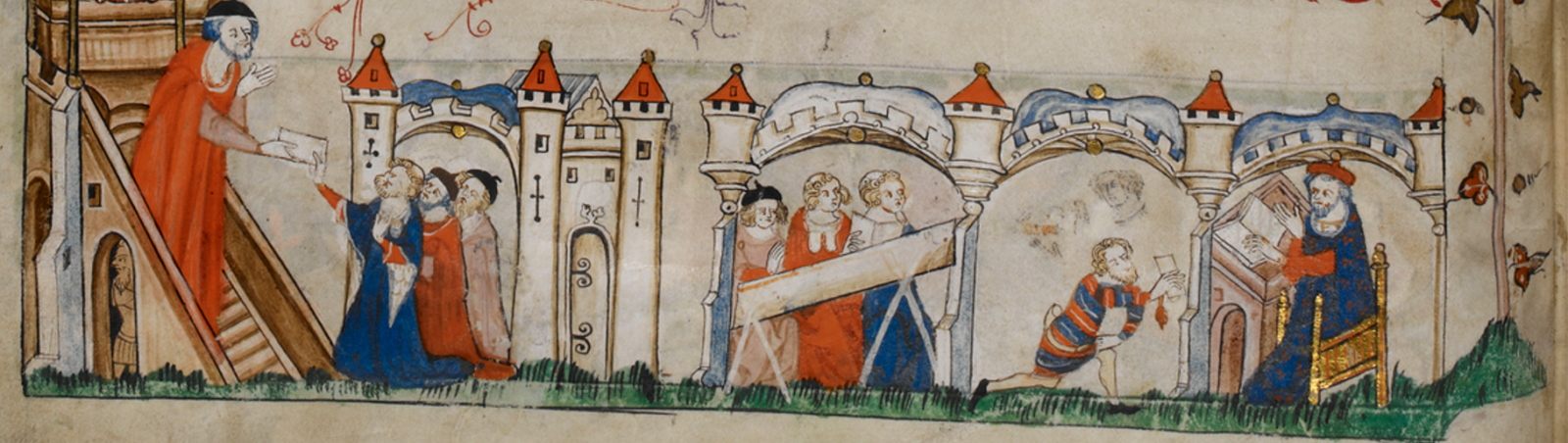
The Murderous Messenger: A deadly lettercraft episode in Bede’s Ecclesiastical History
Anno autem sequente venit in provinciam quidam sicarius vocabulo Eumer, missus a rege Occidentalium / Saxonum nomine Cuichelmo, sperans se regem Eduinum regno simul et vita privaturum; qui habebat sicam bicipitem toxicatam […] “The following year [626] an assassin named Eomer came to the kingdom, who had been sent by Cwichelm, king of the West-Saxons,…
Read more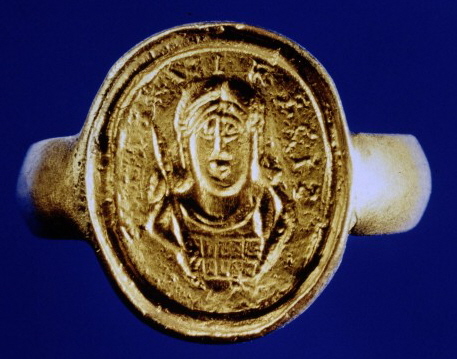
Meaningful objects in the Liber Historiae Francorum
One of the insights of the Lettercraft project is that early medieval societies did not only communicate through letters, but also through other kinds of objects like gifts and relics. Often, the object is accompanied by a written or oral message. In certain cases, the object itself is the message. This blogpost focuses on the…
Read more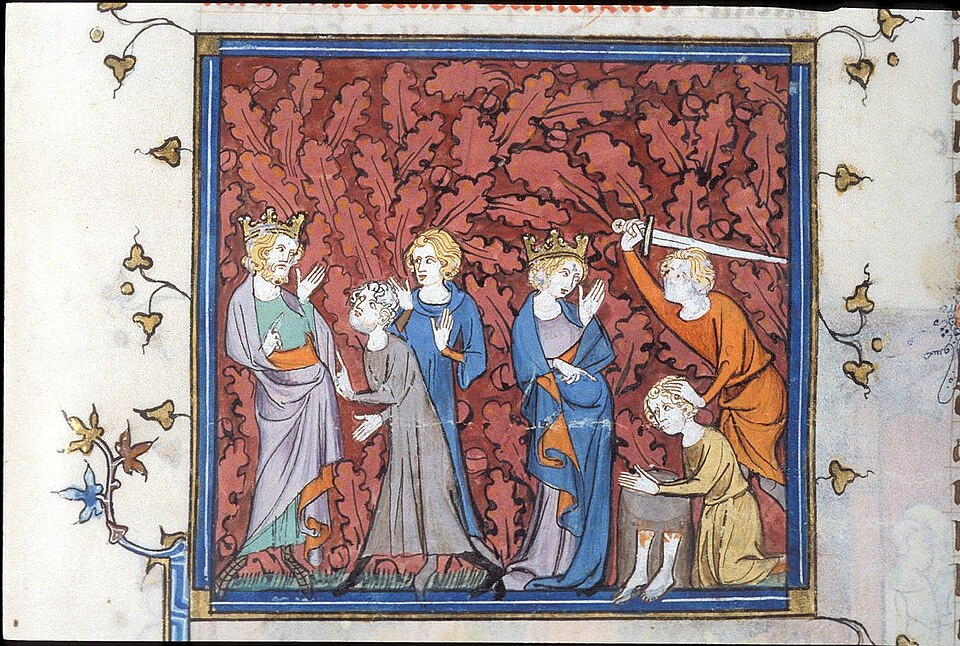
Letters and messengers: more dangerous than assassins?
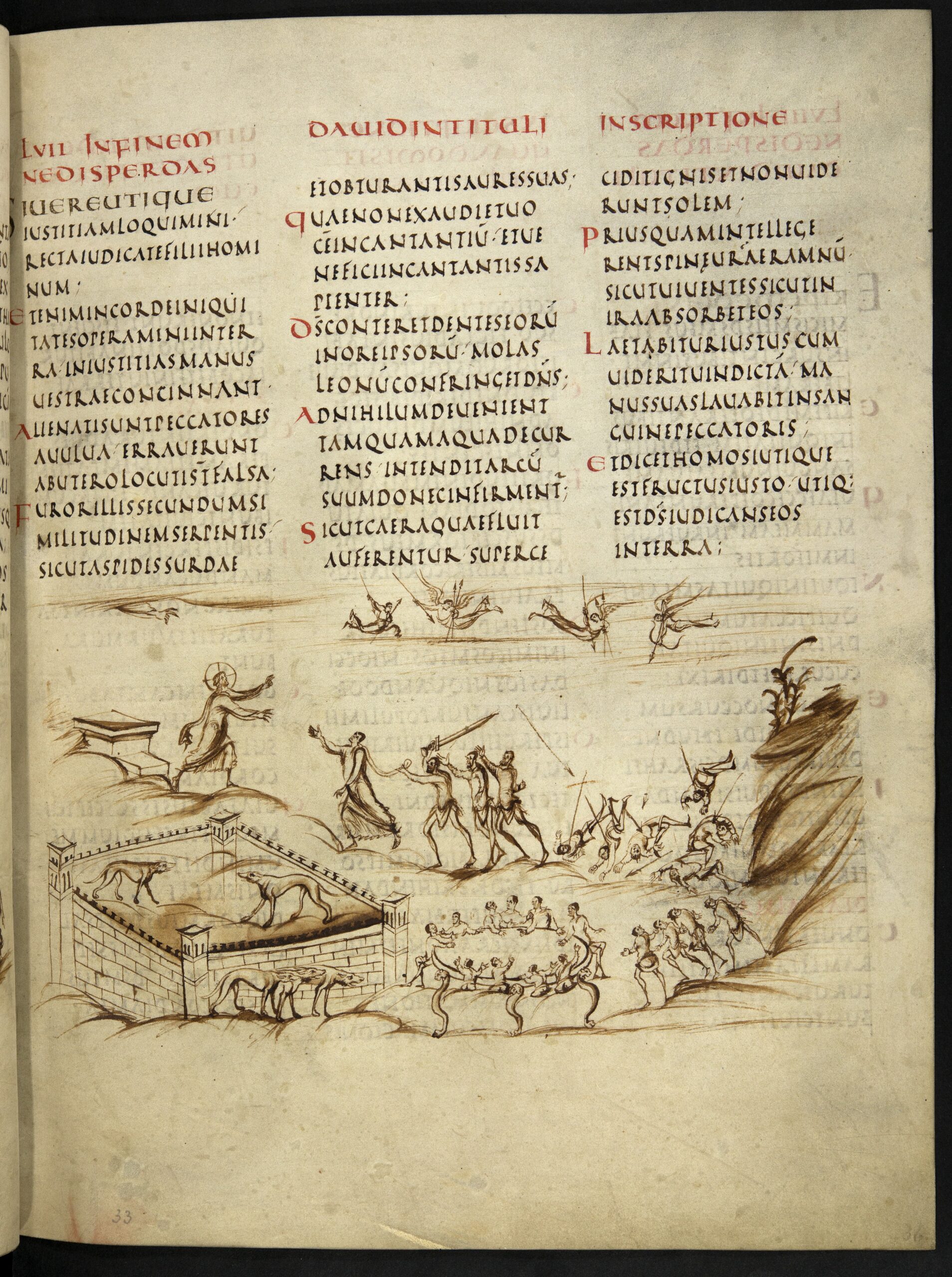
A frequently recurring theme in Gregory of Tours’ Histories is the sending of assassins by Queen Fredegund.[1] Her track record is extensive. Gregory claims she orchestrated the assassinations of King Sigibert I, Bishop Praetextatus of Rouen, an anonymous accuser, and three Franks embroiled in a feud.[2] He also implicates her in the death of her…
Read more
Mitrias of Aix: the quintessential martyr, minus the martyrdom?
Some saints have it all: the cruel master that gives them the opportunity to demonstrate their ability to behave honourably under unfair circumstances, the bullying by faithless peers that allows for the manifestation of miracles, and the triumphant ending of dying in God’s service. The hagiographical tradition surrounding the late Roman saint Mitrias of Aix…
Read more
Hideous black spirits and terrifying persons
In compiling two books about saints – martyrs in the case of the Gloria martyrum, and confessors in the Gloria confessorum – Gregory of Tours offers a Christian exemplary alternative to the mythology of the gods and heroes of Classical Antiquity. He does not ask his audience to simply give up the ‘deceitful myths’ they…
Read more
The Scarlet Ball of Saint Odilia
“She thus wrote a letter that she wrapped in a scarlet ball and sent on to her brother through a random pilgrim. She implored her brother that, for the sake of his love for God, who commands that we should love not only our neighbors and friends but even our enemies, he be mindful of…
Read more
Cave tabellarium – Beware of the mailman
Epistolophobia. A popular online dictionary defines it as ‘an abnormal or irrational fear of correspondence, especially the receiving or writing of letters or messages’.[1] The Swiss linguist Ferdinand de Saussure (d. 1913) is said to have suffered from it, as part of his general tendency towards debilitating procrastination.[2] A handful of modern testimonials can be…
Read more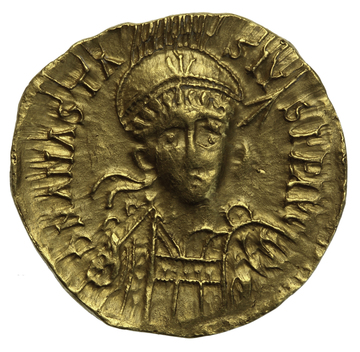
Divine punishment through a signature
“Those who oppress the poor insult their Maker” reads the beginning of Proverbs 14:31. In fact, the Bible is full of instructions that one should care for the poor. This post will discuss the story of someone in Merovingian Gaul—an anonymous Burgundian—who did the opposite and was punished for this through a letter. The story…
Read more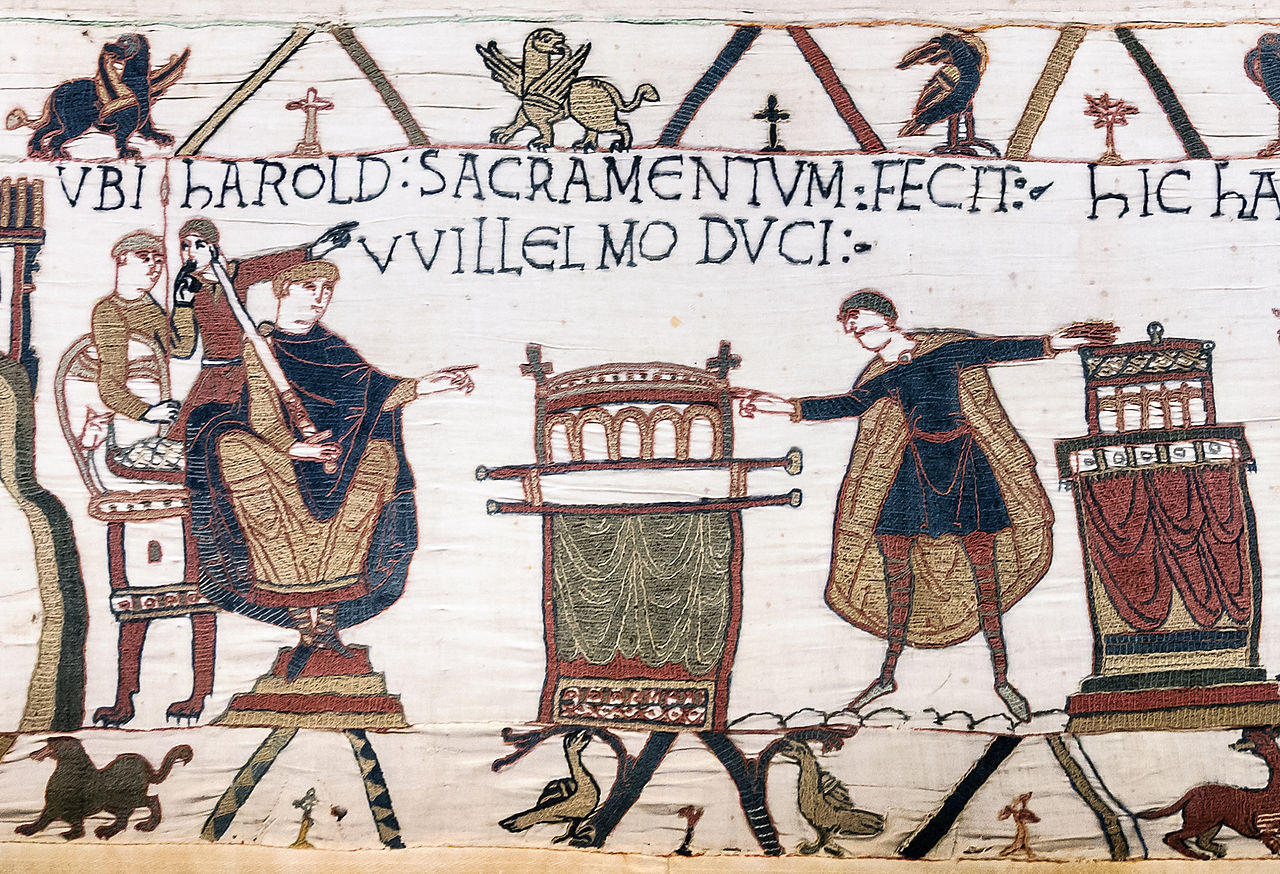
Sworn to betray. Written oaths and broken promises in Julian of Toledo’s Historia Wambae regis
“If you have already traversed the harsh and uninhabitable cliffs of the mountains, if you have already broken deep into the forest by narrow passes, like the lion of mighty breast, if you have utterly defeated the goats at running, the deer at springing, and the bears and wild pigs in voracity, if you have…
Read more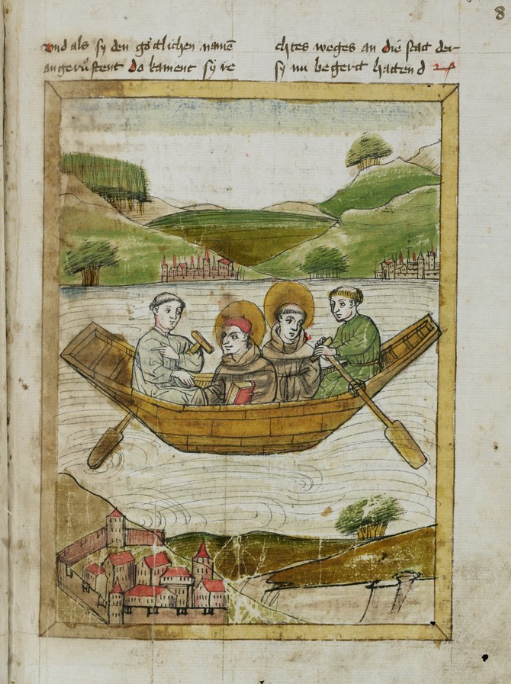
The Pen of a Saint: Holy Wit, Unholy Snark
When it comes to saints, people often consider them to be examples of kindness and patience, without any serious character flaws. Columbanus (d. 615), an Irish peregrinus who spent the latter part of his life founding monasteries in several continental kingdoms, does not adhere to this description, at least not if we take his letters…
Read more